
Medical education has always depended on knowledge, observation, and supervised practice. These remain essential, but they are no longer enough on their own. Healthcare professionals today face complex patients, fast decisions, limited time, high expectations, and increasing pressure to demonstrate measurable competence before they enter real clinical environments.
The challenge is not only whether learners know the information. The real challenge is whether they can apply it correctly, communicate it clearly, and make decisions safely in realistic clinical situations.
Traditional teaching methods often separate knowledge from experience. A learner may understand a disease from a lecture, revise a guideline, or pass a written test, but still struggle when faced with a patient who presents with uncertainty, incomplete information, emotional concern, or time pressure. This gap between knowing and doing is where clinical readiness is often lost.
Clinical education needs to move beyond passive content delivery. Students and healthcare professionals need repeated exposure to patient cases, structured decision-making, realistic clinical signs, investigation interpretation, treatment choices, and outcome feedback. They need to experience the logic of care, not only memorize its steps.
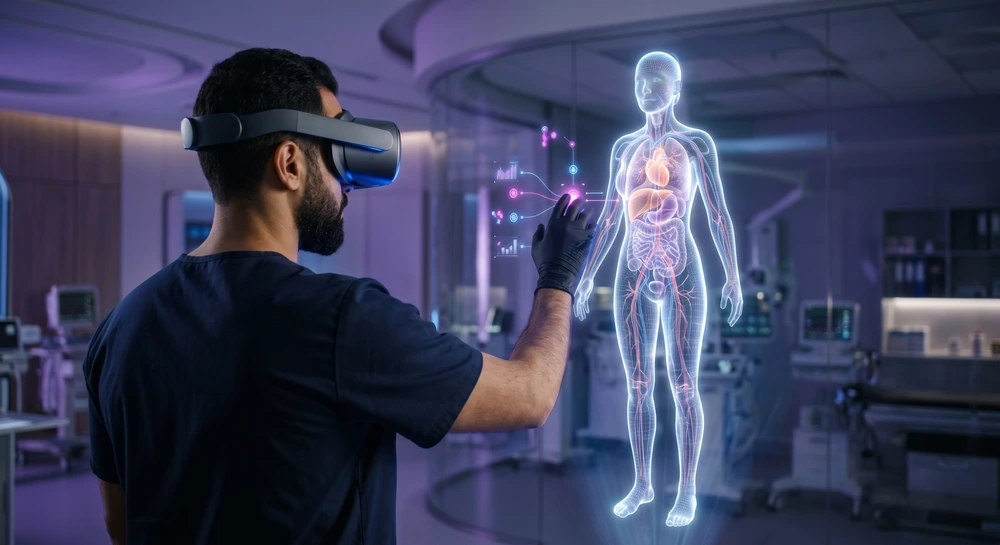
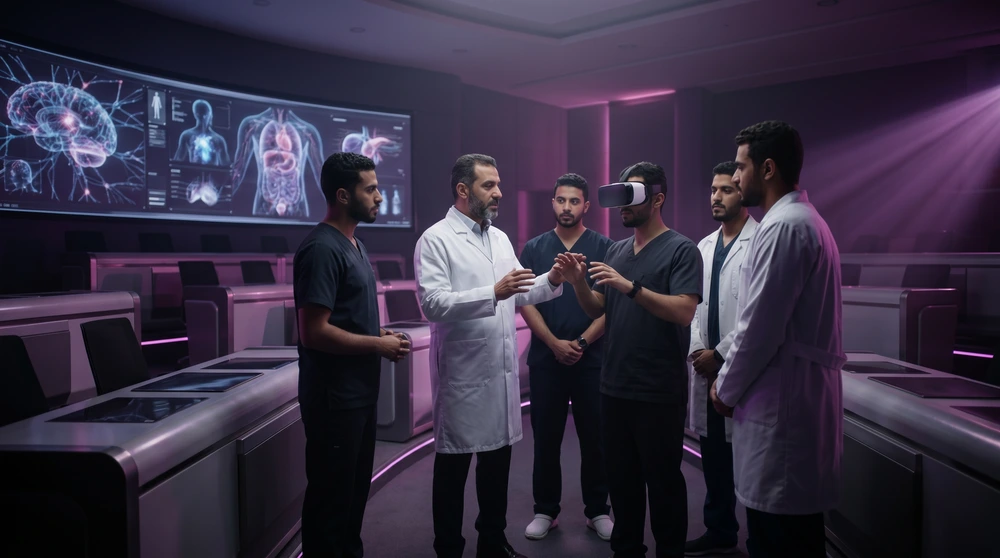
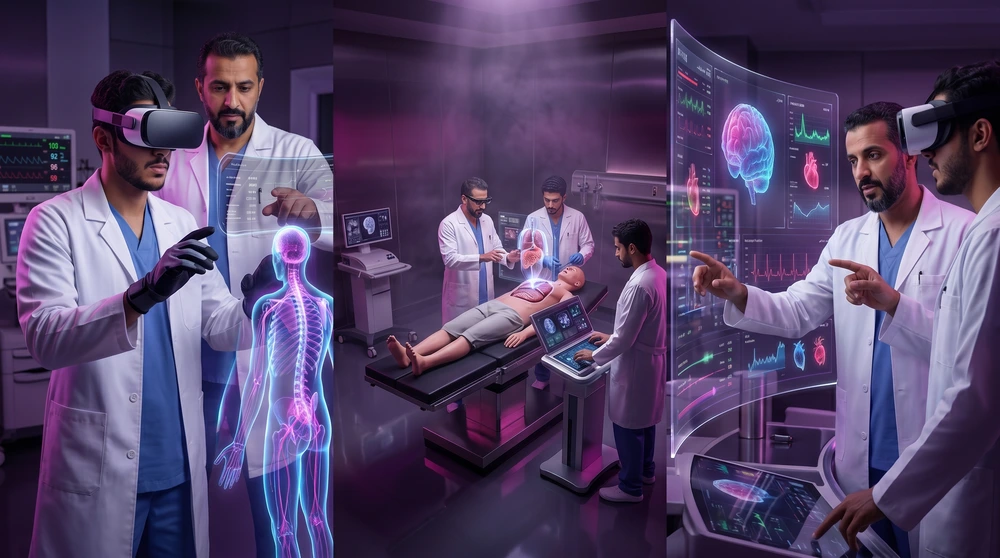
This is where medical simulation becomes a powerful educational model. Simulation allows institutions to create controlled clinical environments where learners can interact with cases, make decisions, and receive structured feedback without risk to real patients. It also allows educators to standardize the learning experience across cohorts, instead of depending only on the availability of suitable patients, actors, or rare cases.
For medical schools, this means teaching can become more active and measurable. A lecture can become a patient journey. A bedside session can become a controlled teaching case. An OSCE station can become a standardized assessment environment where every learner is evaluated under consistent conditions.
For learners, the benefit is practical. They can make mistakes safely, repeat scenarios, understand consequences, and improve based on feedback. Instead of learning only from what they are told, they learn from what they experience.
For institutions, the value is strategic. Simulation-supported education can improve consistency, support assessment, expand access to clinical exposure, and provide performance data that helps educators understand how learners are progressing.
The future of medical education is not about replacing teachers, patients, or clinical placements. It is about strengthening them with structured experience. It is about giving learners more opportunities to practice clinical reasoning before they face real patients. It is about moving from passive learning to measurable clinical experience.
FluxTech360 supports this shift by helping institutions transform medical content, teaching needs, and clinical objectives into realistic, interactive, and measurable simulation experiences.
The goal is simple: prepare healthcare professionals not only to remember medicine, but to apply it with confidence.
Want to transform your teaching content into clinical experience?