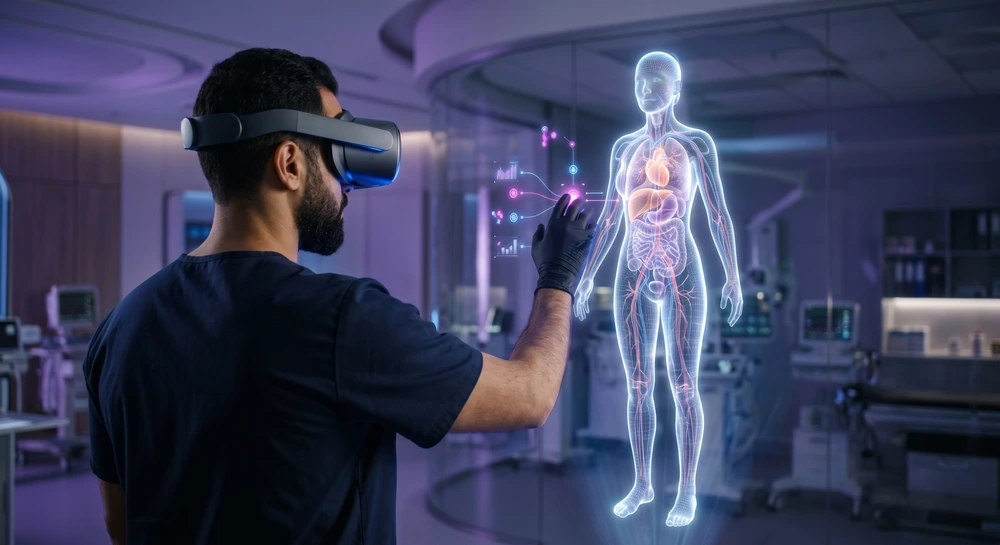
Build Your Own Patient: Why Custom Simulation Matters
Generic cases are useful, but institutions often need patient scenarios built around their own objectives, guidelines, learners, and clinical priorities.

Generic cases are useful, but institutions often need patient scenarios built around their own objectives, guidelines, learners, and clinical priorities.
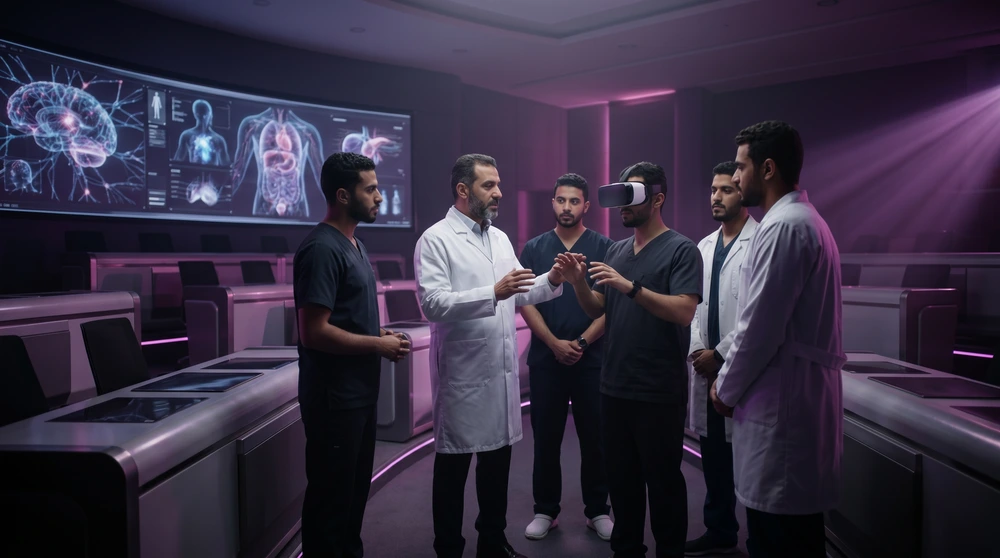
Hospitals need staff to be ready for rare, high-risk, and time-critical cases, but real clinical exposure is unpredictable and cannot always be repeated safely.
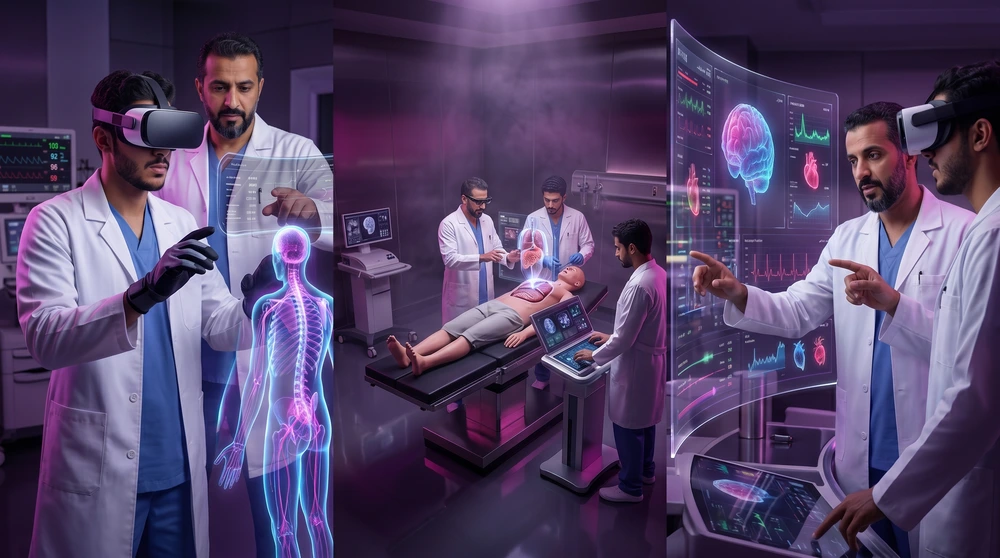
Traditional bedside teaching is valuable, but it depends heavily on patient availability, timing, consent, and case variety. Simulation can make guided teaching more consistent and repeatable.
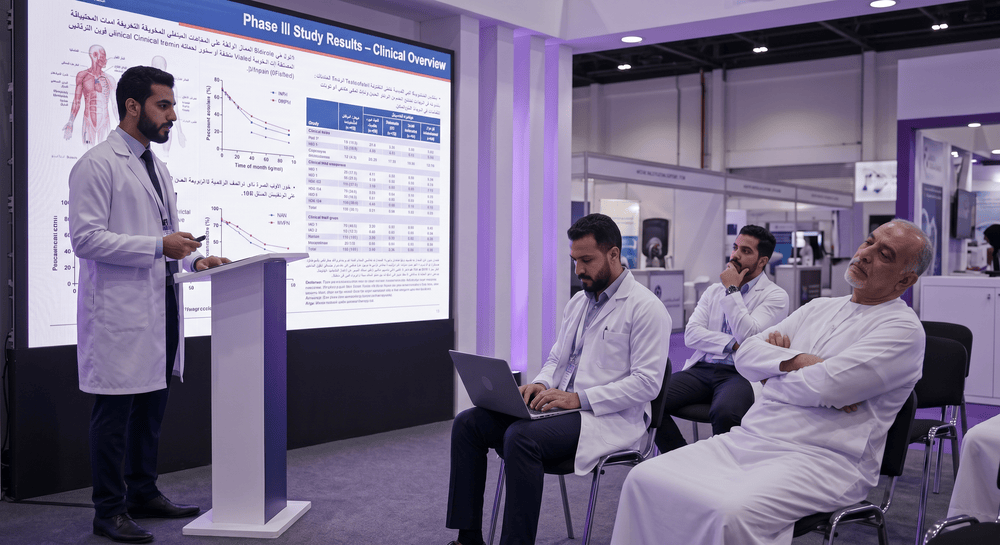
Pharmaceutical teams do not only need to explain mechanisms of action and treatment value. They need physicians to experience them in realistic clinical context.
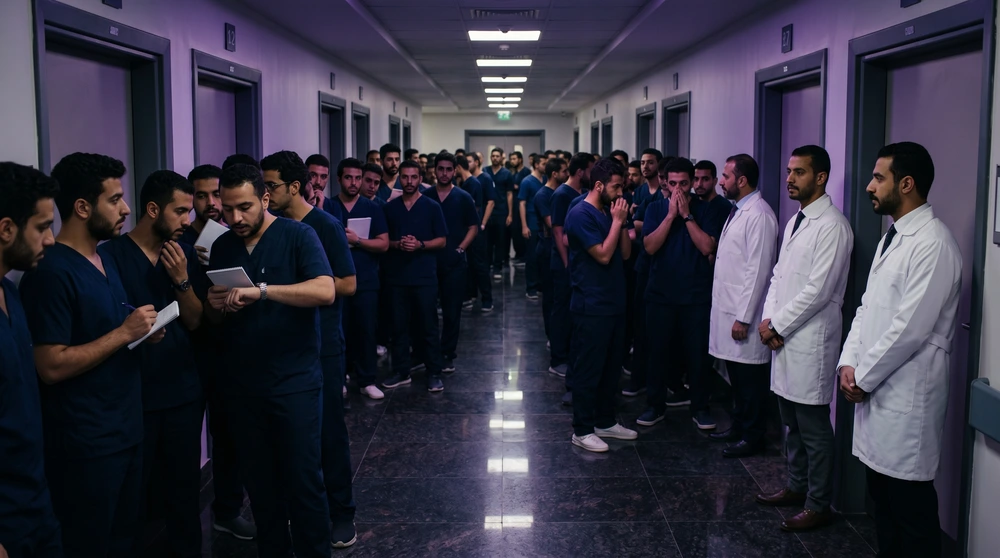
Traditional OSCE exams are valuable, but they are often limited by actor variability, logistics, inconsistent patient representation, and limited case availability.
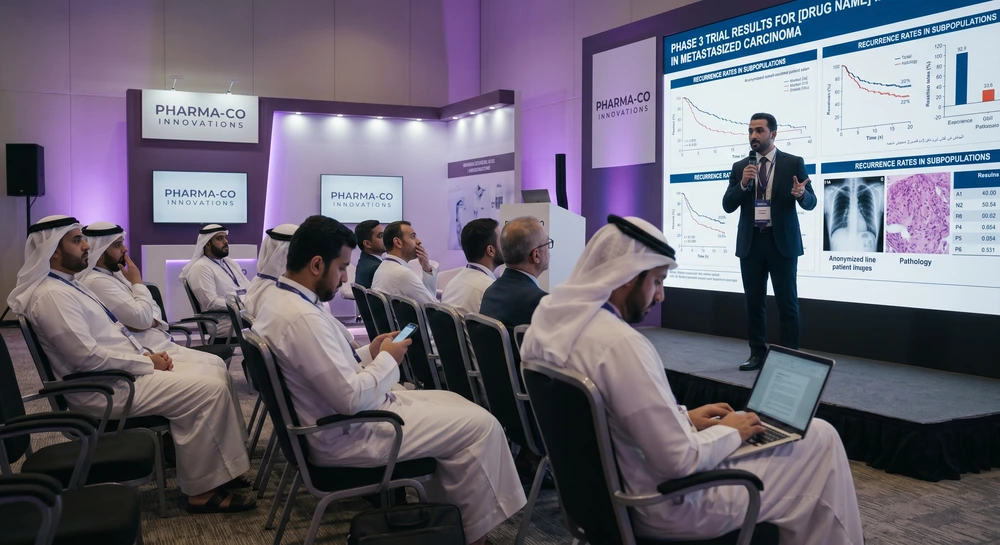
Passive lectures, limited patient exposure, and inconsistent assessment are no longer enough to prepare healthcare professionals for real clinical practice. Medical education now needs measurable, experience-based learning.