
Bedside teaching is one of the most important parts of medical education. It allows students to observe real clinical reasoning, interact with patient problems, and connect theory to practice.
However, bedside teaching is also difficult to control. The right patient may not be available. The case may not match the teaching objective. Some signs may not be present. Ethical limitations, patient fatigue, ward pressure, and group size can all reduce the quality of the teaching experience.
This creates inconsistency. One group may receive a rich clinical case, while another group may not. Some students may observe passively without real participation. Others may not get enough opportunity to ask, examine, or reason through the case.
Simulation-supported bedside teaching offers a more structured alternative.
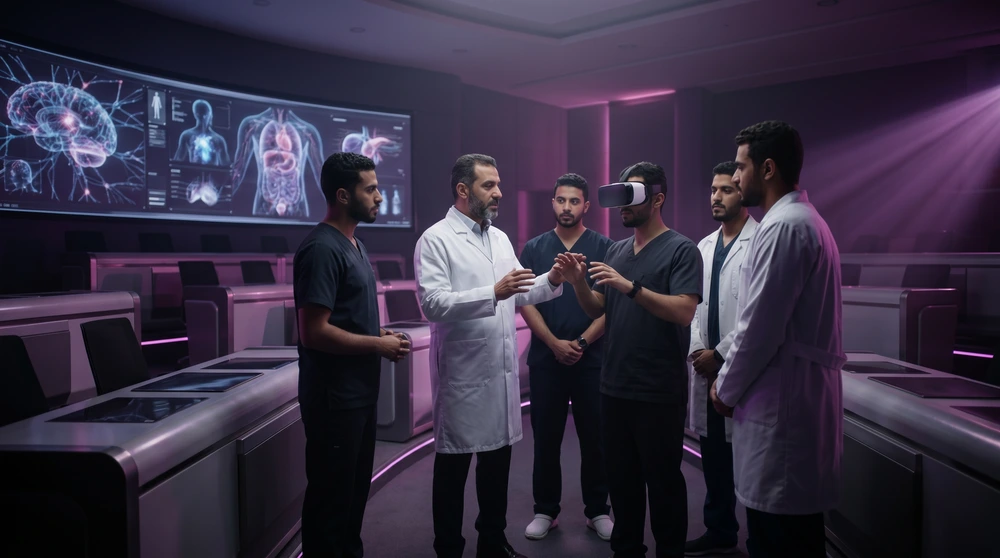
An instructor can guide learners through a controlled patient case, change clinical parameters, ask decision-based questions, and invite students to interact step by step. The same case can be repeated, adjusted, and delivered to different groups with consistent teaching quality.
This does not replace real bedside learning. It prepares students for it and strengthens the teaching process around it.
A simulated bedside session can include patient history, symptoms, examination findings, investigations, diagnosis, management decisions, and feedback. The instructor remains central, but the case becomes more controlled and more interactive.
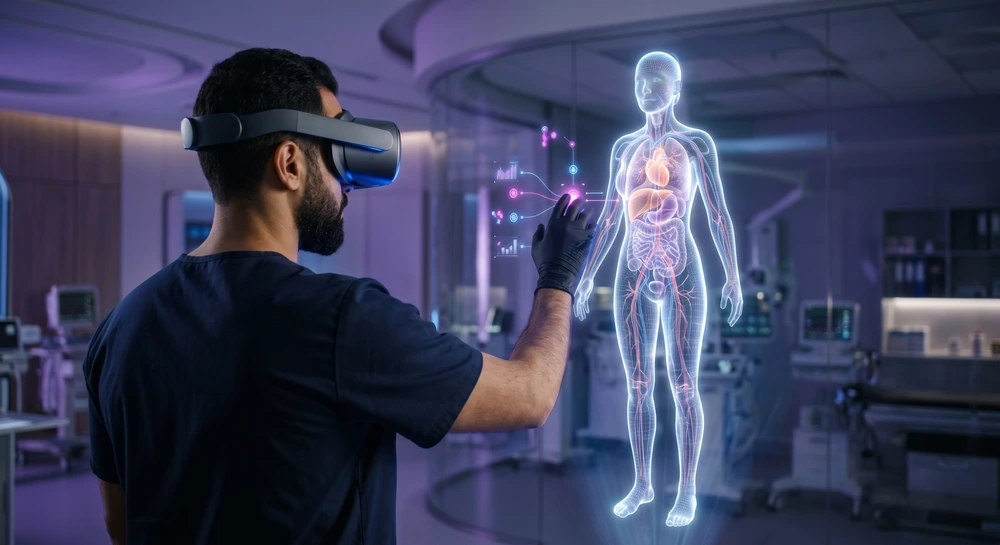
FluxTech360 supports this model by enabling guided teaching sessions where educators can control the patient, direct the learning flow, and create meaningful clinical discussion around realistic scenarios.
The result is bedside-style teaching that is more structured, repeatable, scalable, and engaging.
Want to create guided bedside-style teaching sessions?